How to Keep Your Home Tidy: 6 Small Habits That Prevent Clutter

Learning how to keep your home tidy does not require long cleaning sessions or spending every weekend putting things back in place. The real challenge is preventing small everyday messes from turning into bigger ones.
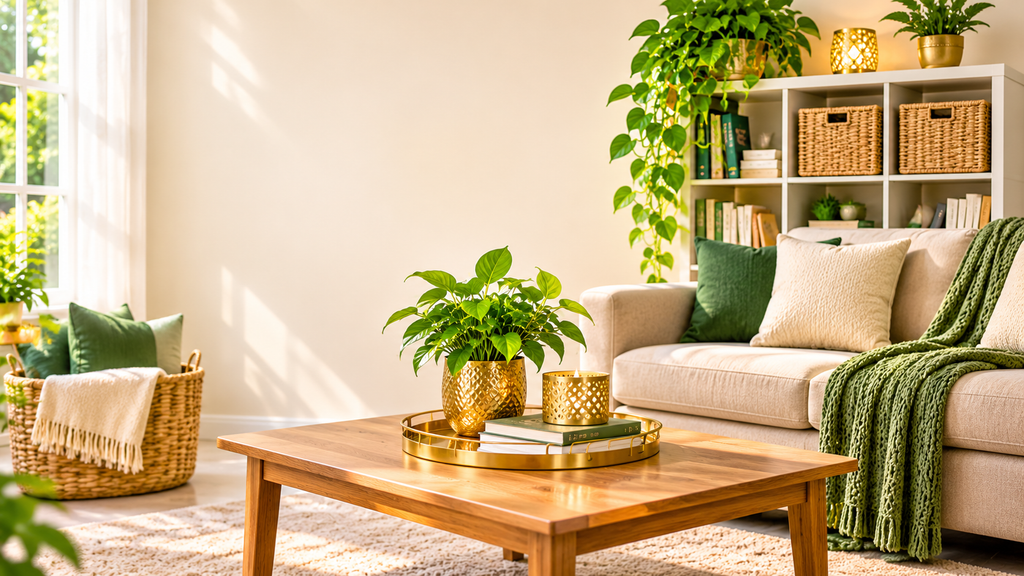
If you have already tried a quick home reset, you know how much difference ten focused minutes can make. But what happens the next day, when bags, clothes, dishes, and everyday items begin to collect again?
Learning how to keep your home tidy is less about following a strict cleaning schedule and more about creating simple habits that fit naturally into your day.
Here are six practical habits that can help you maintain a comfortable, organised home without making tidying feel like another full-time task.
6 Small Habits: How to Keep Your Home Tidy Every Day
1. Give Everyday Items a Permanent Home
One common reason clutter builds up is that frequently used items do not have a clear place to return to.
Keys end up on the kitchen counter, bags are left on chairs, and chargers move from one room to another.
Choose a specific place for the things you use regularly:
- Keep keys and wallets in one small tray near the entrance.
- Use a hook or basket for everyday bags.
- Keep chargers together in a designated drawer.
- Store remote controls in one accessible location.
The goal is not to organise every corner of your home at once. Start with the items that repeatedly create small messes.
When something has a clear home, putting it away becomes easier than leaving it wherever you last used it.
2. Reset One Surface Before Leaving a Room
You do not need to clean an entire room every time you use it.
Instead, choose one visible surface and return it to a usable condition before leaving.
For example:
- Clear used cups and wrappers from the coffee table.
- Put away products from the bathroom counter.
- Remove unnecessary papers from your desk.
- Return kitchen items to their usual places.
This small habit prevents clutter from spreading across several surfaces.
It is also easier to maintain a room when its main surfaces remain reasonably clear. You can see what needs attention without feeling overwhelmed by everything at once.
3. Deal with Small Messes Before They Become Bigger
Some household tasks take only a minute or two when handled immediately but become more difficult when postponed.
A few dishes left in the sink can turn into a full sink by evening. A small pile of clothes can become a chair covered with laundry.
Try to notice these small situations early.
For example, rinse a cup after using it, hang up a towel instead of leaving it on the bed, or put dirty clothes directly into the laundry basket.
However, this does not mean you must interrupt everything you are doing to clean.
The idea is to handle simple tasks when it is convenient rather than allowing them to accumulate unnecessarily.
4. Create a Simple Drop Zone Near the Entrance
The entrance of a home often becomes an accidental storage area.
Shoes, shopping bags, jackets, keys, and other belongings can quickly collect near the door.
A small drop zone can make this area easier to manage.
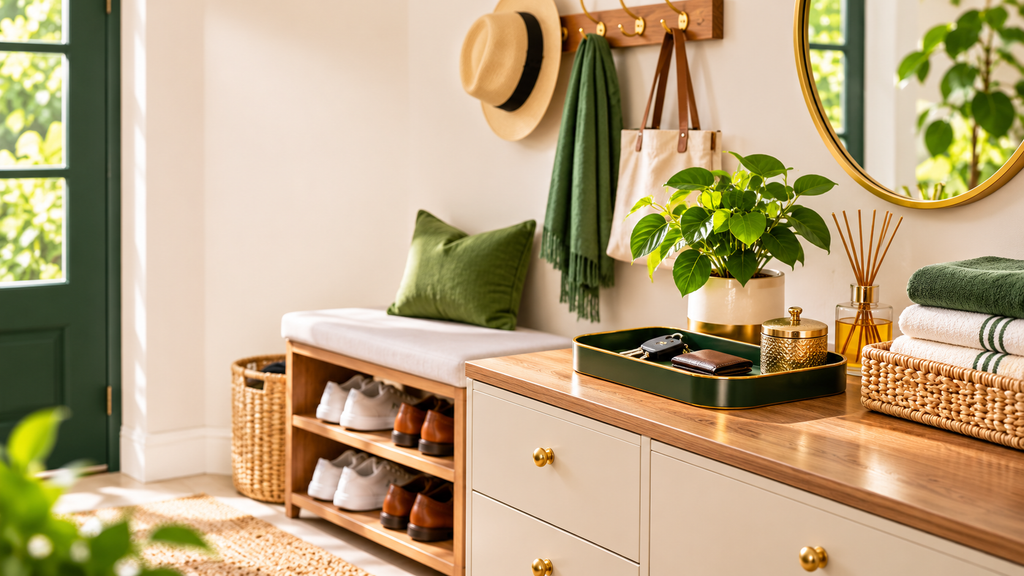
You might need only:
- A shoe rack or designated shoe space.
- A few wall hooks for coats and bags.
- A small tray for keys.
- A basket for items that need to be carried elsewhere.
Keep this area simple. Avoid turning it into a place where everything is stored permanently.
A useful rule is to remove items from the drop zone when they are no longer needed there.
5. Use the One-Minute Rule Without Becoming Too Strict
A helpful way to reduce everyday clutter is to deal with very small tasks when you notice them.
If something takes about a minute, such as hanging a jacket, putting a book back, or throwing away an empty package, consider doing it immediately.
But the rule should remain flexible.
You do not need to stop an important activity every time you notice something out of place. If you are busy, simply return to it later.
The purpose is to reduce the number of small unfinished tasks that quietly build up around the home.
6. Build a Weekly Maintenance Rhythm
Daily habits help prevent clutter, but some tasks are easier to handle once or twice a week.
Rather than waiting until the home feels disorganised, choose a few regular maintenance tasks.
For example:
| Day | Small maintenance task |
|---|---|
| Monday | Check the entrance and put away scattered items |
| Wednesday | Clear kitchen counters and check the refrigerator |
| Friday | Sort laundry and return misplaced belongings |
| Sunday | Prepare the main living areas for the new week |
You can change the days to suit your routine. The important part is keeping the tasks short and realistic.
A weekly rhythm also helps you notice recurring problems. If the same area becomes cluttered every few days, it may need a better storage solution rather than more frequent cleaning.
Keeping your home tidy is not about achieving perfection. It is about making small changes that are easy to maintain. In its guide to the mental health benefits of decluttering, Utah State University Extension recommends starting with small areas and making decluttering part of your daily or weekly routine. This supports a simple idea: a few consistent actions can make everyday mess easier to manage.
A Simple Way to Keep the Progress Going
The best home organisation system is one you can maintain even on busy days.
You do not need to follow all six habits perfectly. Start with two that address the biggest sources of clutter in your home, then add another when they become natural.
And remember, a quick reset can still be useful when things get out of hand. If you need a practical starting point, read our guide to The 10-Minute Home Reset: 5 Easy Steps to Make Tomorrow Easier.
Small habits may not transform your home overnight, but they can make everyday tidying easier, more predictable, and less stressful.
Final Thought
A tidy home is not a home where nothing is ever out of place. It is a home where things are easy to put back, everyday messes do not accumulate unnecessarily, and maintaining order does not take more effort than necessary.
Start small, choose habits that suit your lifestyle, and allow consistency to do the work.
You May Also Like
If you enjoyed these practical home tips, you may also find these articles helpful:
- The 10-Minute Home Reset: 5 Easy Steps to Make Tomorrow Easier – A simple daily reset to make your home feel more organized.
- When Is Convenience Worth Paying For? 6 Questions to Ask Before You Spend – Learn how to decide which time-saving services are worth the cost.
- The Art of a Calm Evening: 7 Simple Habits for a Better Tomorrow – Build a relaxing evening routine that helps you prepare for the next day.